

Behind Wander Out: How Kelsey Williamson Built a Life on the Ocean
- Aly LeBlanc
- Apr 30
- 4 min read
Wander Out Expeditions is built on years of experience in the ocean, from swimming with whales in French Polynesia to leading small group ocean expeditions around the world. What most people don’t see is the intention behind every detail: how each trip is designed, who it’s built with, and the respect for marine life that shapes every moment. This interview is a closer look at the story behind Wander Out Expeditions, and the experiences that continue to define it.

What was the moment that made you want to start Wander Out Expeditions?
I was in my third whale season in French Polynesia, working as a photographer on the boats, and something clicked. I’d spent over a year and a half there, built real relationships on the island, and realized I wanted to be part of something bigger than just capturing the moments.
I wanted to create them.
I love travel planning, I love connection, and I saw an opportunity to design week-long experiences that not only brought people into the water but directly supported the local community I’d come to care so deeply about.
How did your relationship with the ocean shape the way Wander Out operates today?
The ocean teaches you one thing over and over again, you’re not in control.
After a decade on the water, I’ve learned patience in a way nothing else can teach. You slow down. Your mind resets. And then, out of nowhere, you’re in the middle of a moment that lasts seconds… but stays with you forever.
That’s exactly how I design these trips. Not rushed. Not forced. Just creating the space for those fleeting, unforgettable encounters to happen.
Why was it important to you to build Wander Out Expeditions around intention rather than volume?
Because I never wanted this to feel like a conveyor belt.
Small, intentional groups mean people are seen, not processed. Every trip has a reason behind it. Every experience is curated with care. And that changes everything.
People don’t just leave with photos, they leave with friendships, perspective shifts, and something that actually sticks. In a world where everyone’s running trips, I’m focused on making mine matter.
How do you balance adventure with responsibility when it comes to wildlife encounters?
Wildlife doesn’t perform and that’s the point.
These encounters are unpredictable by nature, and the best ones happen when you respect that. I’ve seen firsthand how differently animals behave when there’s less pressure, less noise, and more awareness.
I truly believe wildlife feels energy. When you show up without expectations and with respect, everything shifts. And if they want nothing to do with you? That’s part of it too. We don’t chase. We don’t force. We observe, and we earn the moments that come.
How do you choose destinations and partners for Wander Out expeditions?
It always starts with one question: Would I be genuinely excited to do this myself?
From there, it’s about alignment. The hardest, and most important, part is finding partners who operate ethically and share the same values.
Not every operator makes the cut. And that’s intentional. Because who you work with on the ground defines everything about the experience.

What do you hope people take away from an expedition beyond the photos and memories?
A shift.
Most of us aren’t out here rewriting laws, but we can change how we move through the world. And that matters more than people think.
When someone has a real, emotional connection with wildlife, something clicks. They care differently. They act differently. And that ripple effect extends far beyond the trip itself.
That’s the goal.
Has your perspective on travel changed since starting Wander Out?
Completely.
I’ve watched places change fast, especially with the influence of social media. And as a photographer, I’m very aware of how chasing a photo can impact a place.
Now, I value slowing down more than anything. Learning from locals. Asking questions. Being open instead of assuming.
Travel shouldn’t just be extractive, it should be regenerative. The goal is to leave a place better than you found it, not just with a full camera roll.
What’s something people might not realize goes into planning and leading these trips?
Honestly… everything.
There’s a massive amount of behind-the-scenes work, vetting operators, building logistics, refining every detail so the experience feels seamless for guests.
And then there’s the reality of filling the trips, managing expectations, and holding space for everyone once we’re there.
It might look effortless but it’s anything but. What kind of traveler do you think feels most at home on a Wander Out expedition?
Curious. Open. And not attached to a checklist.
The people who thrive on these trips are the ones who can let go of expectations and just be present. Because the magic happens when you stop trying to control the outcome.
And if you’re excited to connect with like-minded people? You’ll feel right at home.

What excites you most about the future of Wander Out Expeditions?
The community.
Watching friendships form, seeing people reconnect on future trips, and knowing something real continues long after the experience ends, that’s everything to me.
If anything, I’m just getting started.
How do you hope Wander Out challenges the way people think about ocean tourism?
That it doesn’t have to be harmful to exist.
When done right, with respect, intention, and ethical operators, ocean tourism can actually create connection, awareness, and support for local communities.
It’s not about avoiding impact entirely. It’s about doing it better.
Why is leaving space for the unexpected so important on these trips?
Because nature doesn’t run on a schedule.
Some days are quiet. Some days are unreal. But the best moments? They always show up when you least expect them.
If you’re patient enough, the ocean will surprise you every time.
What moments on expeditions still give you chills?
There are so many, but one that still doesn’t feel real…
We were in the water when a pod of five orcas came through and attacked a juvenile whale shark just meters in front of us.
It was raw. Intense. Completely unexpected.
One of those moments that reminds you just how wild the ocean really is, and how small you are inside it.
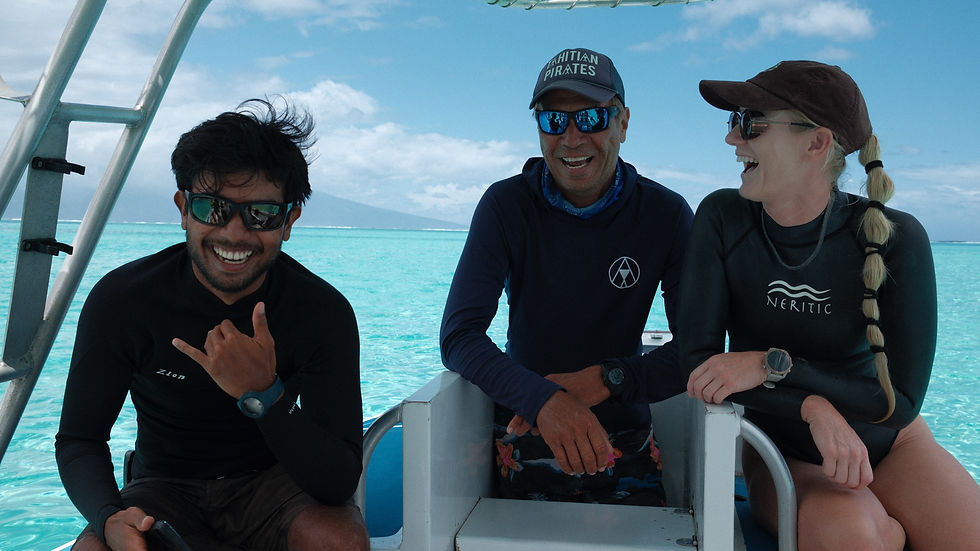
More than anything, Wander Out is about creating experiences that extend beyond the trip itself. Supporting local communities, building real connections, and giving people a new perspective on the places and wildlife they encounter. That ripple effect is what it’s all about.


Comments